SHIPPED
About
About EA Sports - NHL
NHL 22 and 23 are ice hockey simulation video games developed by EA Vancouver and published by EA Sports. It is the 31st and 32nd installment in the NHL video game series and was released for the PlayStation 4, PlayStation 5, Xbox One and Xbox Series X/S.
NHL 22 and 23 are ice hockey simulation video games developed by EA Vancouver and published by EA Sports. It is the 31st and 32nd installment in the NHL video game series and was released for the PlayStation 4, PlayStation 5, Xbox One and Xbox Series X/S.
Overview
Overview
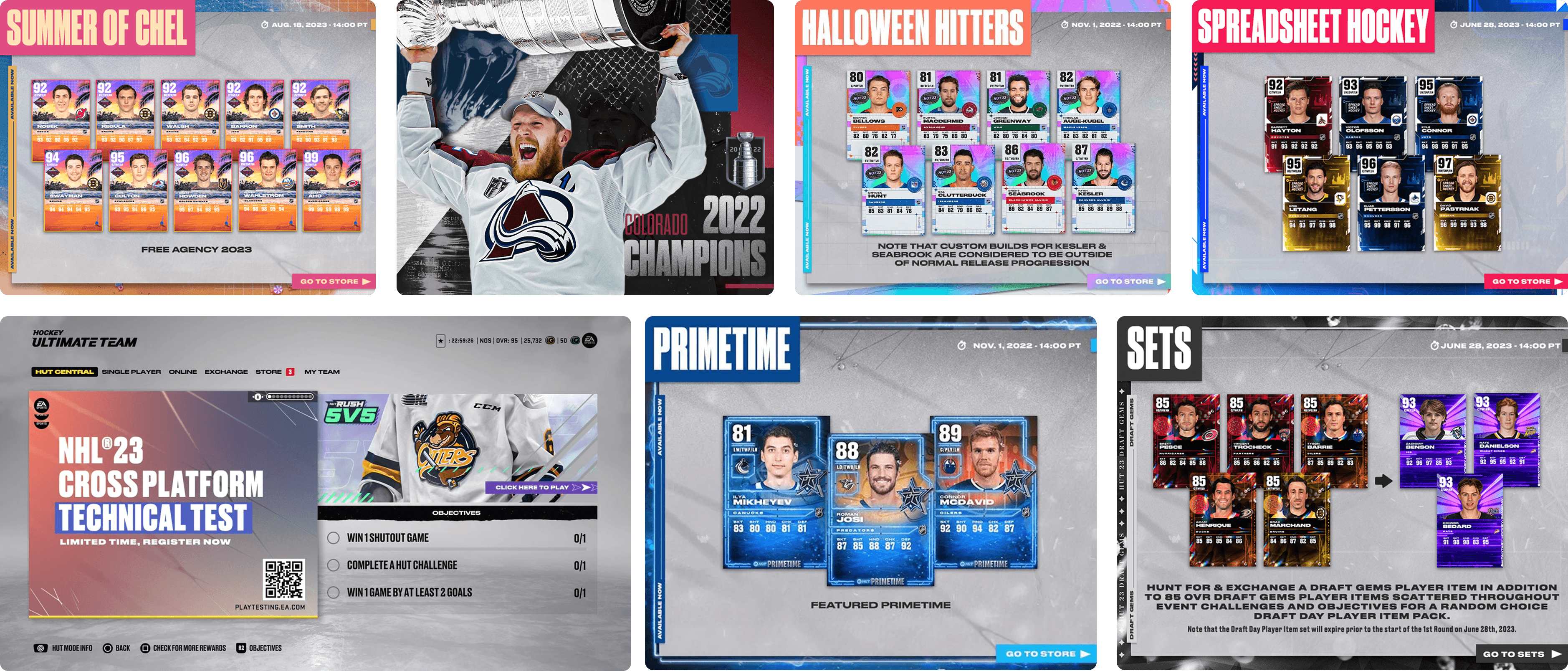
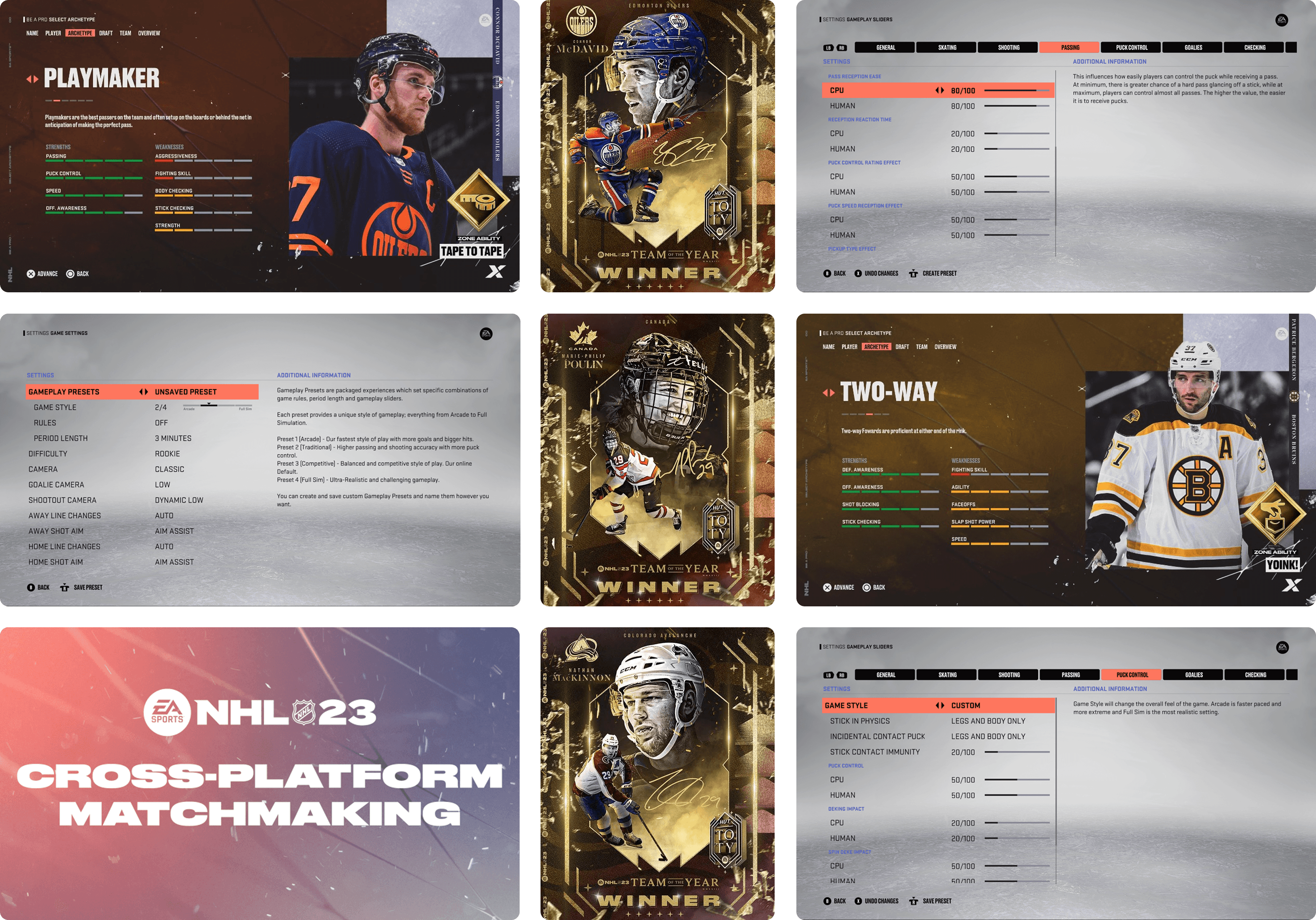
For NHL 22 and NHL 23, I led the creation of the scalable card surface system for events, while also designing the experience surfaces themselves driving a more structured, repeatable approach to live content.
Alongside this, I identified and implemented a system extension that allowed up to numerous players within a single surface, helping the team scale new event formats without redesigning templates from scratch.
For NHL 22 and NHL 23, I led the creation of the scalable card surface system for events, while also designing the experience surfaces themselves driving a more structured, repeatable approach to live content.
Alongside this, I identified and implemented a system extension that allowed up to numerous players within a single surface, helping the team scale new event formats without redesigning templates from scratch.
Product
Desktop, PS4, PS5 and XBOX
Skills
Experience Design
Design System
Stakeholder Management
Visual and Interaction design
My Role
UI / Experience Designer
Timeline
Q1 2021 - Q3 2022
Team
Joanne Chen, Jeff Schram
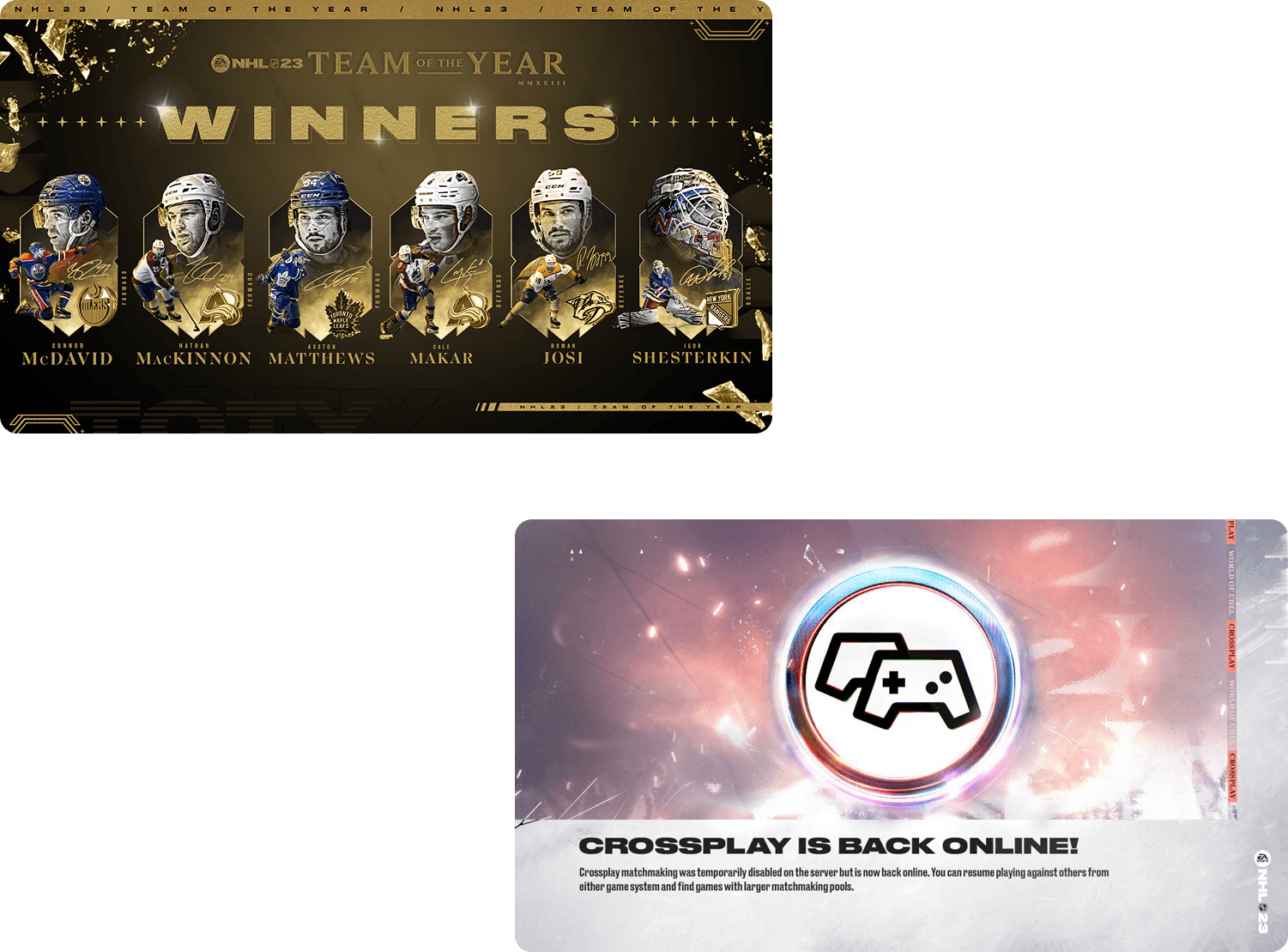
Snapshot
Before NHL 22, live events in the game were handled on a one-off basis, every event layout had to be built from scratch, which slowed production and made consistency nearly impossible. Working on this platform wasn’t your everyday design job. It was highly technical and fast-paced, involving multiple product areas like live ops, art, and engineering, along with managing stakeholders expectations.
Since there was no precedent, our team had to invent a completely new system: reusable UI components, modular layouts, interaction patterns, and a framework for integrating 3D elements, all from the ground up.
Before NHL 22, live events in the game were handled on a one-off basis, every event layout had to be built from scratch, which slowed production and made consistency nearly impossible. Working on this platform wasn’t your everyday design job. It was highly technical and fast-paced, involving multiple product areas like live ops, art, and engineering, along with external partners.
Since there was no precedent, our team had to invent a completely new system: reusable UI components, modular layouts, interaction patterns, and a framework for integrating 3D elements, all from the ground up.
Some Stats
Over 100 live events supported across NHL 22 & 23 using the system.
Over 100 live events supported across NHL 22 & 23 using the system.
Creation time for experience surfaces reduced by 50% compared to one-off workflows.
Creation time for experience surfaces reduced by 50% compared to one-off workflows.
Previously capped for monthly events, the system now handled a cohesive theme through out the year.
Previously capped for monthly events, the system now handled a cohesive theme through out the year.
Constraints
Designing live experience surfaces for NHL came with several constraints that shaped every decision. Live events often launched under tight deadlines, so the system needed to be flexible and easy to use for designers and production teams. At the same time, it had to scale reliably across varying game formats and content updates without compromising performance or visual consistency.
Designing live experience surfaces for NHL came with several constraints that shaped every decision. Live events often launched under tight deadlines, so the system needed to be flexible and easy to use for designers and production teams. At the same time, it had to scale reliably across varying game formats and content updates without compromising performance or visual consistency.
Constellation of Constraints
The system had to handle varying numbers of players without disrupting the surface design.
The system had to handle varying numbers of players without disrupting the surface design.
Every live event needed to maintain a coherent look and feel across seasons, teams, and game modes , even as content changed frequently.
3D elements, animations, and card layouts had to work within the game engine and pipeline without affecting performance.
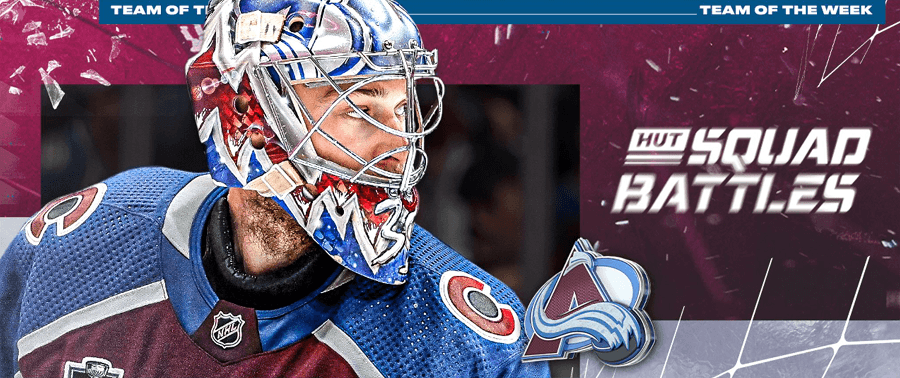

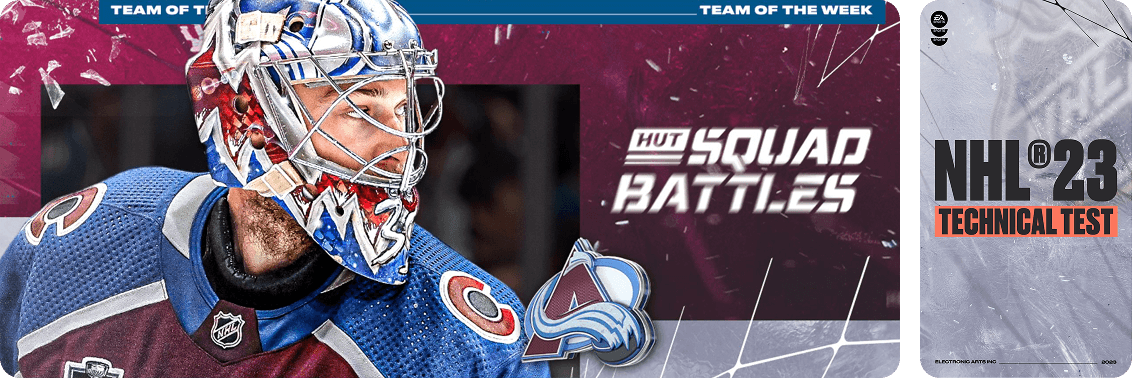
Experience
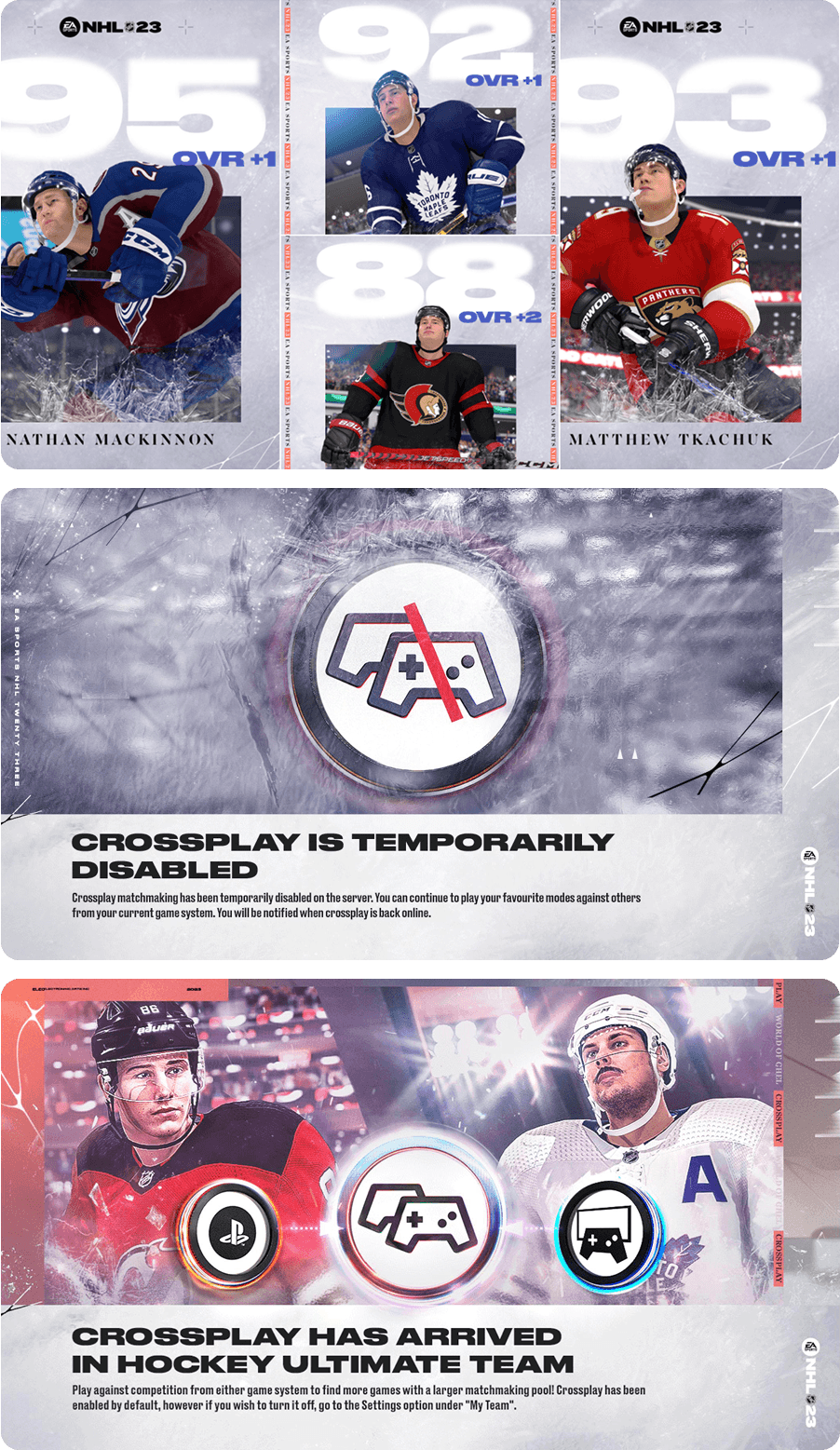
Impact
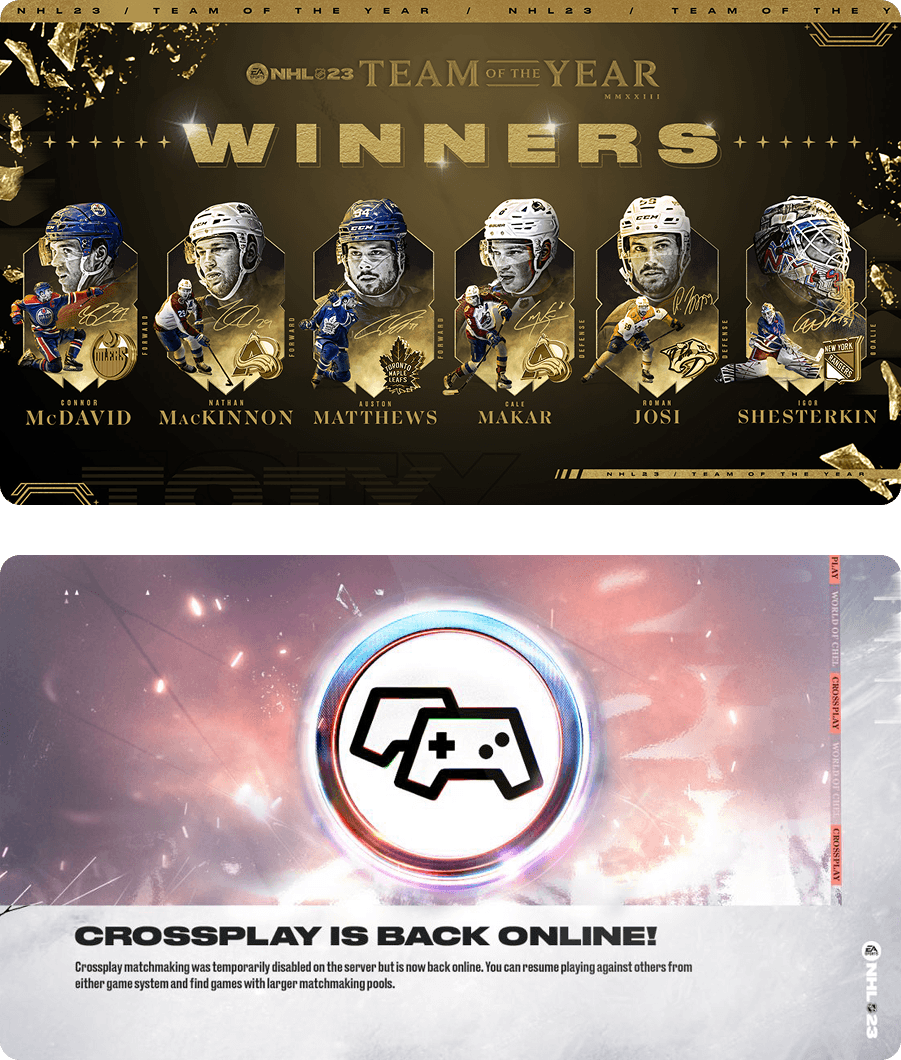
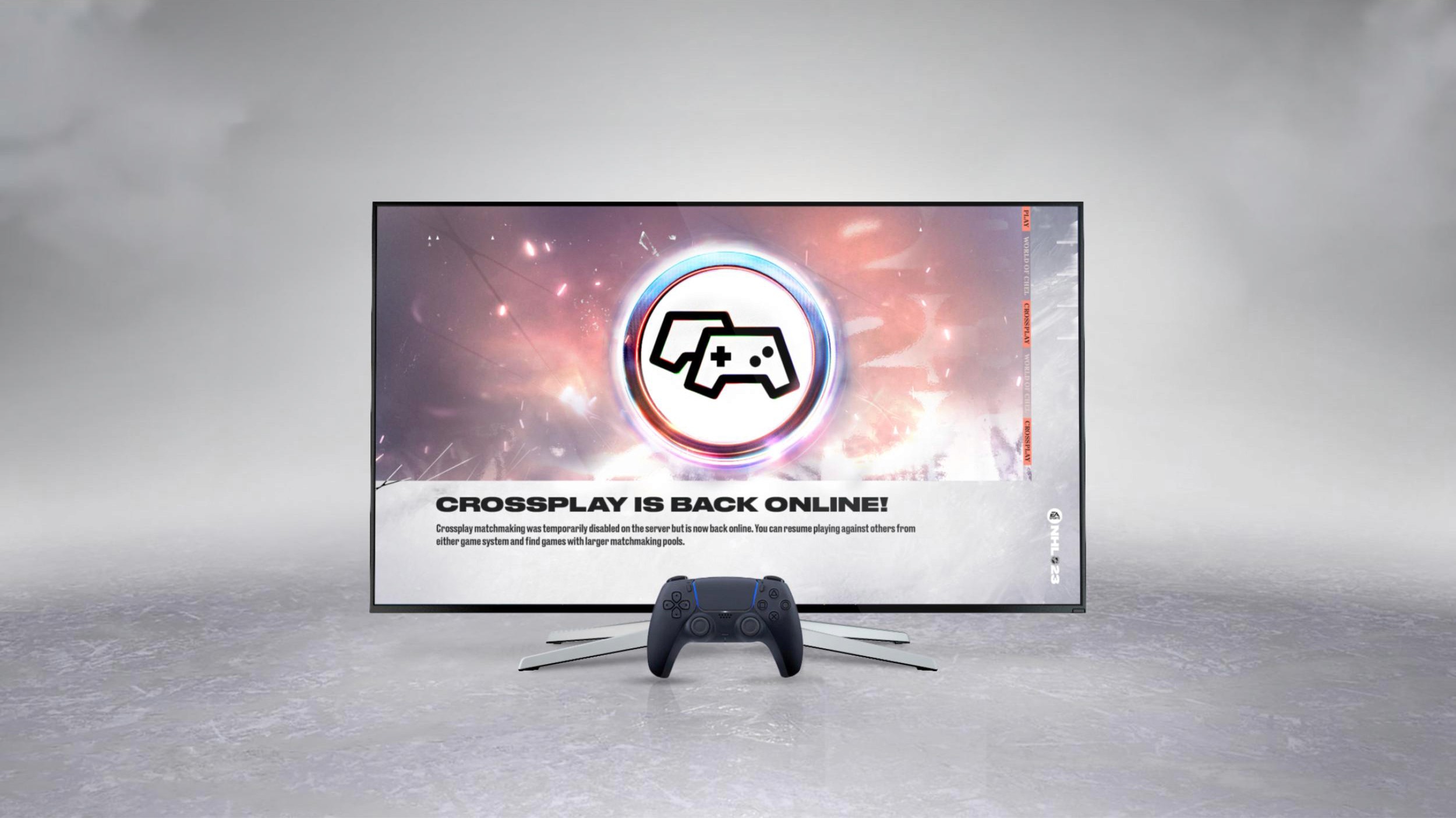
Following launch, the live experience work in NHL 23 became part of how players encountered major feature updates and seasonal events in-game. The system supported high-visibility moments under live-service conditions, ensuring clarity, consistency, and performance across platforms and modes.
Post-launch coverage highlighted these updates as meaningful steps in NHL 23’s evolving live experience, reflecting how experience design helped translate complex systems into clear, player-facing moments at scale.
Following launch, the live experience work in NHL 23 became part of how players encountered major feature updates and seasonal events in-game. The system supported high-visibility moments under live-service conditions, ensuring clarity, consistency, and performance across platforms and modes.
Post-launch coverage highlighted these updates as meaningful steps in NHL 23’s evolving live experience, reflecting how experience design helped translate complex systems into clear, player-facing moments at scale.